Before the Playlist, the Mixtape Made a Sequence
A mixtape sequence turns chosen tracks into a message. Learn how order, transitions, and small acts of editing shaped this personal listening tradition.
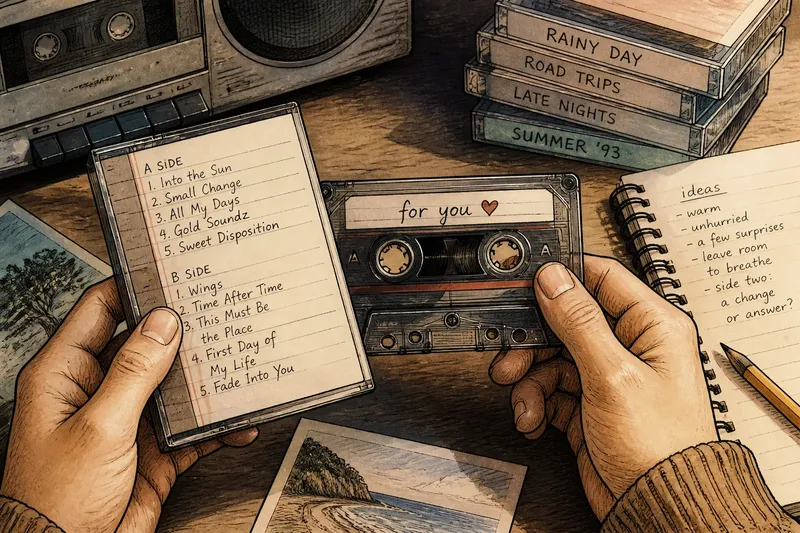
A mixtape sequence could change the meaning of a song before its first note sounded. The tracks were selected, placed in an order, and copied onto a cassette for someone else to hear as a single, intentional gesture. When the sequence felt wrong, the problem was not merely a bad track; it was a message that had lost its shape.
That is what made the mixtape different from a loose stack of favorites. Its maker had to decide what the listener would encounter first, how one mood would give way to another, and what should remain in the mind when the tape ended. Understanding those choices helps explain why a cassette collection could feel personal even when its songs were familiar.
Why can a good song feel wrong on a mixtape?
A song can be excellent on its own and still disrupt the collection around it. It may be too energetic after a subdued stretch, too long for the available side, or too similar to the track immediately before it. The usual cause is choosing by affection alone: the maker knows why each song matters to them, but has not considered what the sequence asks of a listener.
Try listening to the proposed order without skipping. Notice where your attention wanders, where the mood jumps without warning, and whether the songs seem to answer one another. A track that breaks the flow may still belong, but it needs a reason for its position. It could mark a deliberate turn, introduce a new voice, or interrupt a pattern the tape has established.
Say you are making a tape for a friend who likes warm, unhurried songs. Imagine that a bright, fast track is important because it recalls a lively afternoon you shared. Placing it at the start may make the whole collection sound restless; setting it after a gentle song can make the shift feel like a small surprise. The observable difference is the impression the opening stretch leaves: either an abrupt change of mood or a turn that seems intentional.
Keep the song if the interruption says something. Move it if it only breaks the thread.
What if the opening does not invite a listener in?
The first track sets expectations, but it does not have to be the loudest or most immediately catchy choice. A useful opening gives the listener a place to stand. It might establish a mood, introduce a recurring sound, or begin with a song that makes the next choice feel natural.
A common trouble is opening with the most emotionally important song simply because it feels like the main message. That can leave the rest of the tape sounding like an afterthought. Try asking what the listener should understand before that central song arrives. A quieter opening can create room for it; a song with a clear pulse can make later changes easier to hear.
To revise an opening, compare the first track with the second and third as a unit. Does the opening make those songs feel connected, or does it promise a different kind of tape? If the answer is unclear, test another opener rather than changing several tracks at once. The first few selections should establish a listening relationship, not explain the whole collection immediately.
Choose an opening that earns the listener’s attention by setting a tone the next song can develop.
How do you make the middle feel connected?
The middle often causes more trouble than the opening. A maker can find a compelling first song and a meaningful ending, then fill the space between them with tracks that have no clear relation. The result may sound like separate favorites placed in a row rather than one unfolding gesture.
Look for connections that are audible without needing a written explanation: a shared rhythmic feel, a similar kind of vocal delivery, a change in energy that happens gradually, or a contrast that the surrounding songs prepare. A sequence does not need to stay in one genre or mood. It does need to give a listener enough continuity to follow the turns.
Try grouping songs loosely before deciding their final positions. One group might feel intimate, another restless, another open and bright. Then consider whether the groups should blend, alternate, or move in a clear arc. This is not a rigid formula. It is a way to see whether the tape’s middle has a direction or merely occupies space.
When two tracks do not seem to belong beside each other, place a bridge between them: a song whose mood, tempo, or texture shares something with both. If no bridge makes the pairing feel convincing, separate the tracks. A thoughtful gap in the sequence is better than a connection the listener has to invent.
What should you do when a transition feels abrupt?
On a cassette, the transition between tracks includes more than the musical material. There may be silence, a spoken introduction, the tail of a fading note, or the slight pause that comes with the recording itself. These small intervals can make a change feel considered, or make it seem as if the next song has arrived by accident.
Listen to the end of one track and the start of the next together. If the first song finishes softly and the second begins with a sudden blast, that contrast may be striking, but it should serve the sequence. If the contrast feels distracting, try reversing the order, inserting a song with a gentler entrance, or choosing a different point in the next track to begin, if the recording method allows it.
Do not assume every transition should be smooth. A sharp change can signal a new chapter or make a lyric land with extra force. The useful question is whether the interruption feels purposeful after a listener hears it, not whether the songs match on paper.
How do side limits affect the sequence?
A cassette’s two sides create a physical shape for the listening experience. The end of the first side is a pause, whether the listener turns the tape over immediately or returns to it later. That break can make a natural midpoint, but it can also split a pair of songs that seem to belong together.
When the available space becomes tight, avoid treating the final minutes as a bin for whatever remains. Reconsider the whole side: perhaps one long track belongs elsewhere, or a shorter song can sharpen the ending. If a favorite will not fit without an awkward cut, it may be better to leave it off than to make the tape feel cramped.
Use the side break deliberately. A first side can establish a question or mood; the second can answer, complicate, or depart from it. It can also be a simple pause between two related collections. The listener does not need to recognize a grand design, but the turn of the cassette should not feel like an unfinished thought.
Check the cassette label and recorder instructions for the format’s recording limits and operation; those details vary by equipment and tape.
Why can a personal message become too obvious?
Mixtapes often carried private meaning through songs: a lyric recalled a conversation, a singer’s tone matched a friend’s temperament, or a sequence quietly expressed affection. The difficulty is that a maker may rely on references only they understand. A listener can hear the songs but miss the intended gesture.
Make the message legible through the listening experience rather than a chain of clues. If the tape is meant to comfort, let its overall pace and tone support that purpose. If it is meant to celebrate someone, choose songs that make the collection feel generous and alive. A short note can explain a personal reference without turning the cassette into a puzzle.
There is also a risk in spelling everything out. A tape can feel less like a gift if every placement is accompanied by an explanation of what the recipient is supposed to feel. Let the order do some of the work. The recipient may hear a different meaning than the maker intended, and that response is part of sharing music rather than a failure of the sequence.
What do listeners ask about mixtape sequencing?
Should a mixtape follow one genre?
No. Songs from different genres can sit together when the order gives the listener a clear path between them. A change in rhythm, vocal style, or mood can become a useful transition rather than a mismatch.
Does the most important song belong at the end?
Not necessarily. Put it where it has the strongest effect: early if it establishes the tape’s purpose, later if the preceding songs prepare for it. The ending should still feel complete rather than merely stopping after the central track.
How many songs should a mixtape include?
Let the available cassette space and the sequence’s natural shape decide. A shorter collection can feel finished when its choices are deliberate, while extra tracks do not help if they dilute the direction.
Can a playlist use the same idea?
Yes. A playlist can still treat order as a gesture, even though it lacks the cassette’s physical sides and recording process. Think about the opening, the transitions, and the feeling you want the final track to leave behind.
How can you tell when the sequence is ready?
Listen from the beginning without editing as you go. Keep a note of the exact point where the sequence loses momentum or changes mood in a way you did not intend. Then revise that passage and listen again. This is more useful than endlessly swapping tracks based on their isolated appeal.
Before copying the tape, check that each side has a clear shape, that the opening invites a listener into the collection, and that the last song feels chosen rather than leftover. Confirm the track order against the source recordings, and leave a little room for the cassette’s physical limits instead of forcing a tight fit.
A mixtape sequence works when its choices make a listener feel accompanied from one song to the next. That idea remains useful whenever you make a playlist: choose not only songs worth hearing, but the order in which someone else should meet them.